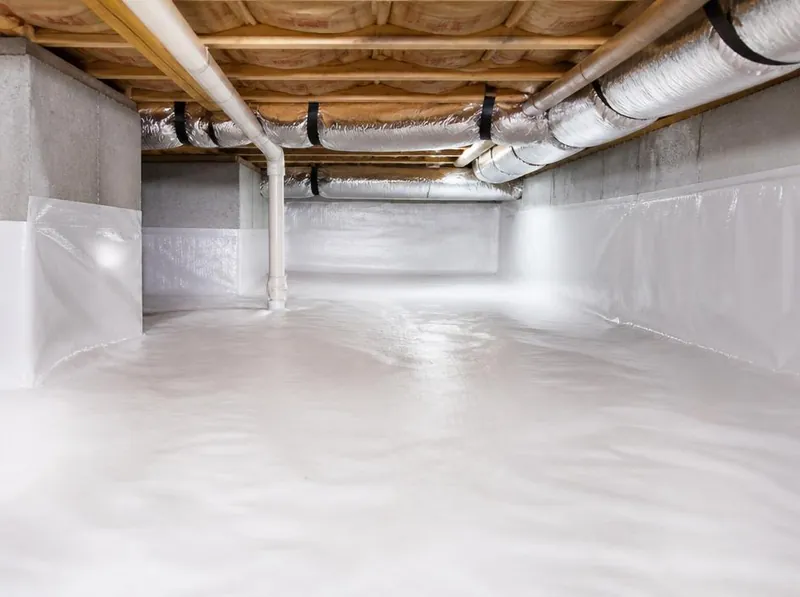
Full Crawl Space Encapsulation
Heavy 20-mil reinforced vapor barriers, sealed vents and taped seams that lock out ground moisture for good.
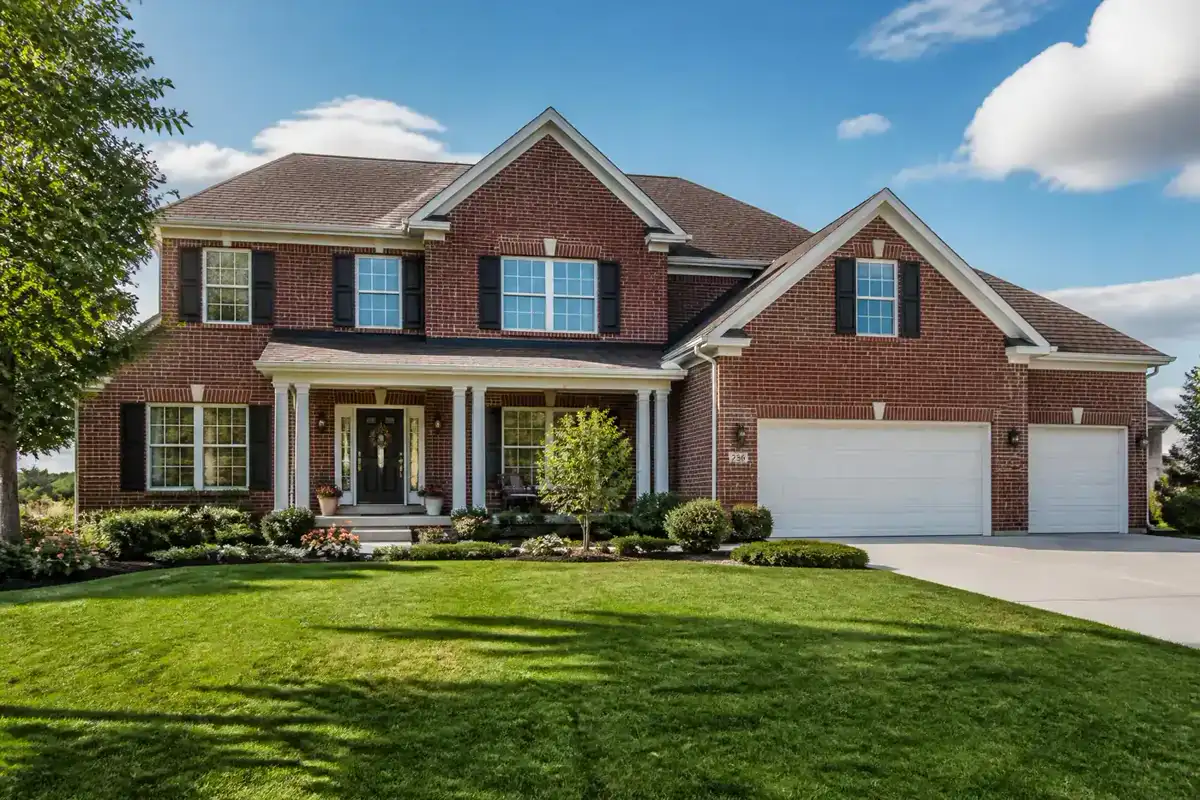
Serving Rutherford County, TN
Eliminate musty odors, mold, sagging floors, and rising dampness under your home. Get matched with top-rated, licensed Middle Tennessee specialists.
Free · No obligation
Step 1 of 4 · Select all that apply
Visual Proof
See what a professional encapsulation system does for a Rutherford County crawl space.
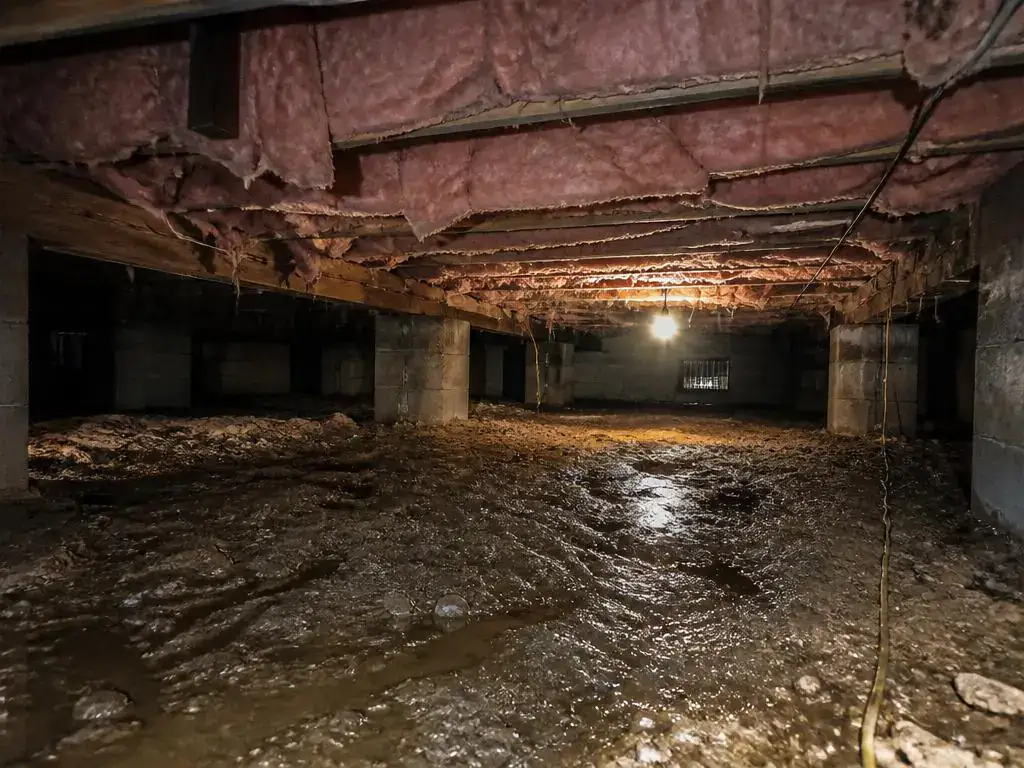
Unprotected Dirt Crawl Space
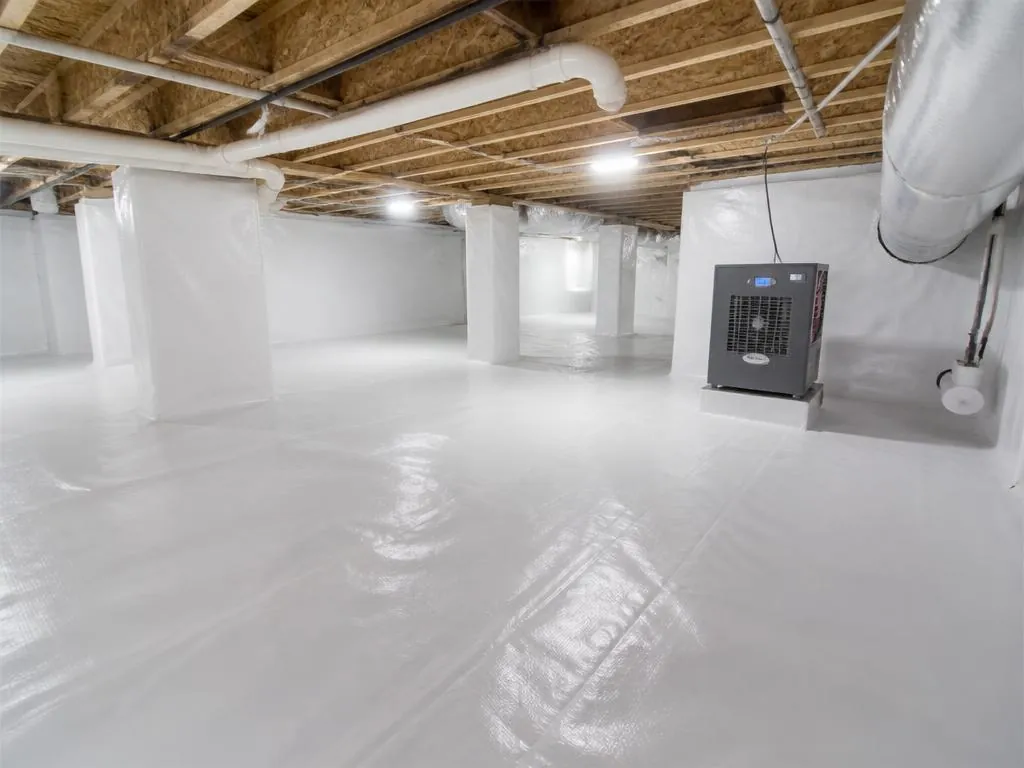
Encapsulated Crawl Space
Core Services
Heavy 20-mil reinforced vapor barriers, sealed vents and taped seams that lock out ground moisture for good.
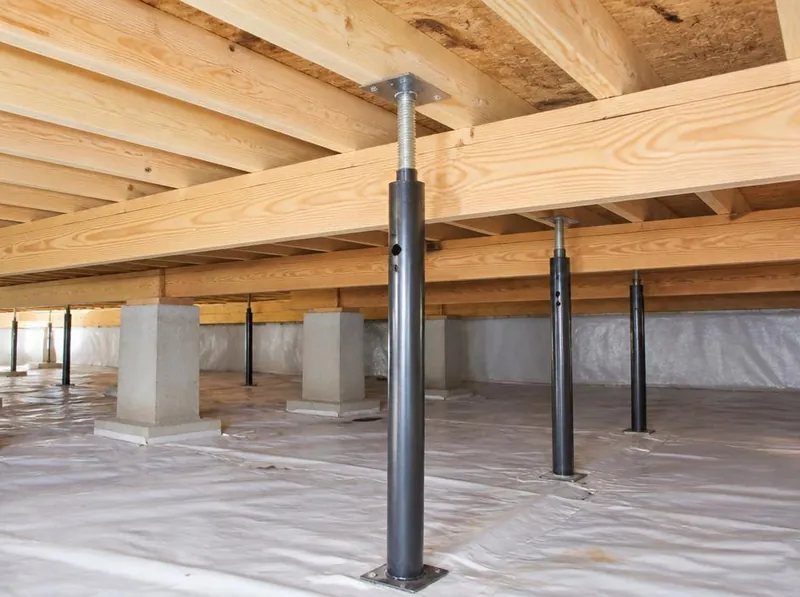
Jack posts, joist sistering and floor leveling to end bouncy, spongy and sagging floors above the crawl space.
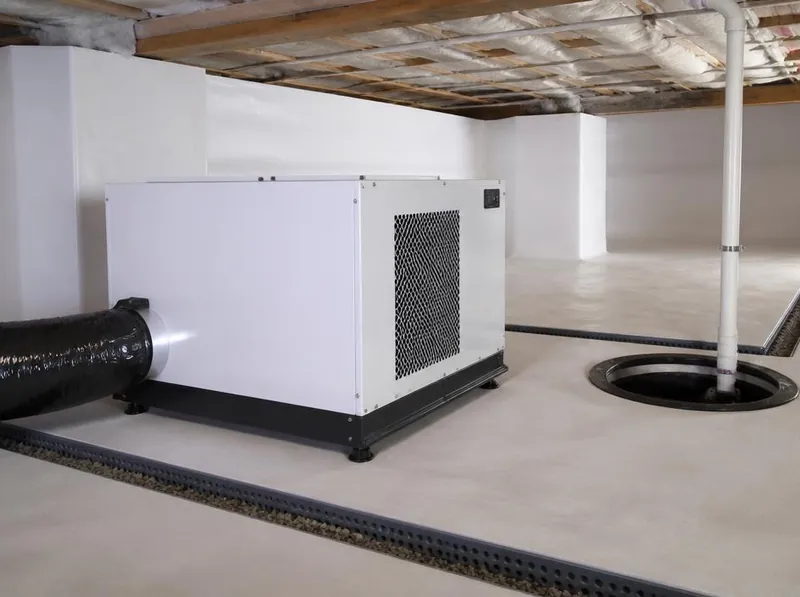
Commercial-grade dehumidifiers, drainage matting and sump systems sized for Middle Tennessee humidity.
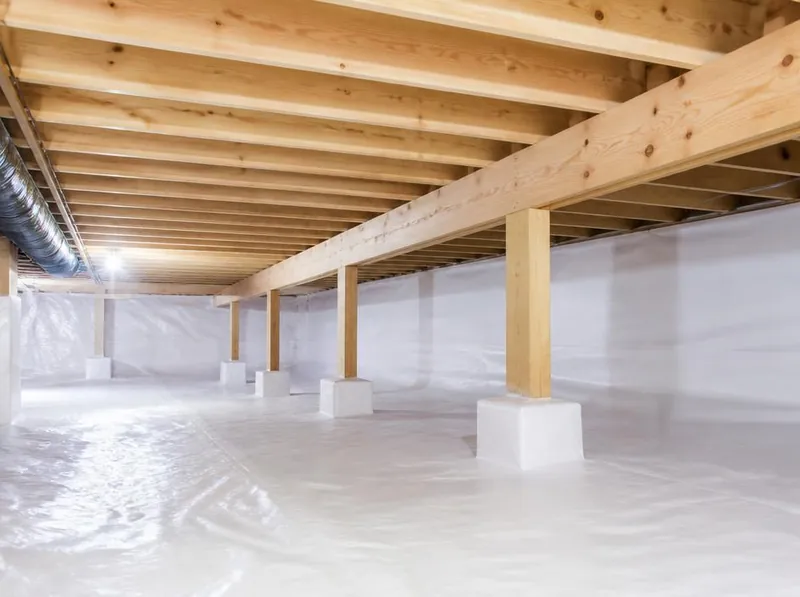
Safe removal of mold and mildew plus antimicrobial wood treatments that protect framing and subfloor.
Coverage Area
Same-week inspection windows in most ZIP codes.
Our Process
A licensed local specialist inspects your crawl space and documents moisture levels, wood condition, and drainage.
You get a written scope explaining what needs doing and why — not a verbal number.
Compare the quote against other bids. No obligation, no follow-up pressure.
Local Conditions
Middle Tennessee sits on a difficult combination for any home with a vented crawl space: dense clay soil, long humid summers, and shallow limestone bedrock. Together they keep water under your floor for months at a time — which is why musty odors, mold and sagging floors are so common here compared with drier parts of the country.
Rutherford County's heavy clay holds water instead of letting it percolate away. After a storm, saturated soil sits against foundation walls and wicks moisture into block, piers and the dirt floor of the crawl space for days.
Relative humidity routinely tops 80% from June through September. Because mold only needs wood moisture around 20% to colonize, an unsealed crawl space spends the whole cooling season inside the danger zone.
Shallow limestone shelves stop rainwater from draining downward, so it travels sideways and pools beneath vented foundations — the reason many local homes see standing water with no plumbing leak in sight.
Buying or selling with a crawl space inspection flag before closing? Get fast 24-hour repair estimates for Rutherford County transactions.
Foundation vents were designed to "dry out" the crawl space, but in our climate they do the opposite. Hot, wet outside air is pulled under the house through the vents and up through the floor by the stack effect. When that 90°F, 85%-humidity air touches cool joists, sill plates and air-conditioned ductwork, it condenses — soaking the wood, feeding mold and mildew, rusting duct straps and rotting subfloor and girders until floors feel spongy overhead.
Roughly half of the air you breathe upstairs first passed through the crawl space, so mold spores and damp, earthy odors ride that airflow straight into hallways, closets and HVAC ductwork. Sealing the vents, covering the clay soil with a heavy vapor barrier and adding controlled dehumidification breaks the cycle: the wood dries, the smell disappears, and the framing stops losing strength.
Homeowner Questions
Free inspection, written scope of work, no pressure.
Rutherford Crawl Space
Free Local Inspection